



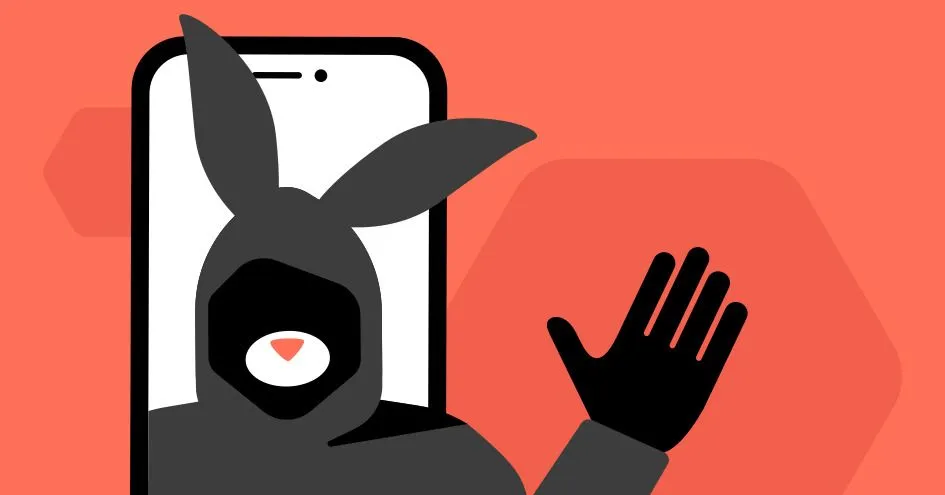
What is vishing? Definition, protection from, and prevention
With phone scams growing increasingly sophisticated, it’s often hard to tell if a call is legitimate.
Join the community of anti-revelists

With phone scams growing increasingly sophisticated, it’s often hard to tell if a call is legitimate.
A big VPN server count looks impressive, but speed and privacy depend on server quality, location, protocols and your connection. Learn what to check instead.
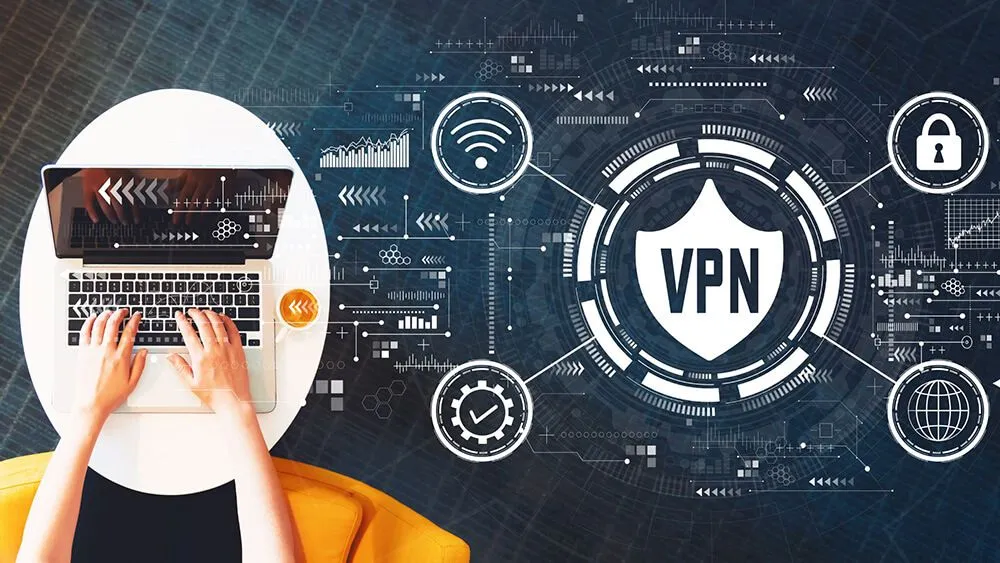
When you visit a non-encrypted HTTP site, your data is vulnerable to interception and viewing by a variety of entities.
Black Friday is one of the biggest shopping days of the year, but it’s also prime time for scammers aiming to exploit the excitement.
Identity theft continues to be a persistent and evolving threat, with scammers finding increasingly sophisticated ways to steal personal information.

Using a VPN (Virtual Private Network) is a great way to secure your online activities. By encrypting your data and masking your IP address, a VPN helps prevent unauthorised access to your personal information.
With the rise of connected spaces, from coffee shops to airports, many of us rely on public Wi-Fi to stay online.
With technology zooming ahead at lightning speed, it's not just about the latest apps or gadgets.
Your Wi-Fi can be a quiet target for neighbours or other unauthorised users if it’s unsecured or if you’re using a weak password.
We live in an age where apps know everything about you: your location, your browsing history, and a lot more. Many people ask if a Virtual Private Network (VPN) can truly prevent apps from tracking them. While a VPN is powerful for online privacy, it’s not a complete barrier against app-based tracking.
If you’ve explored tools to enhance your online privacy, you’ve likely come across VPNs (Virtual Private Networks) and ad blockers.