



FAQs About Sterile Processing Technician Certification and Training

Multyprep
Technician Training Online
Choosing a career as a Sterile Processing Technician often raises many practical questions. Certification requirements, training formats, timelines, and job readiness can feel confusing at first—especially for those new to healthcare. This FAQ-style guide addresses the most common concerns and explains how proper training and certification prepare candidates for real-world healthcare environments.
What Does a Sterile Processing Technician Do?
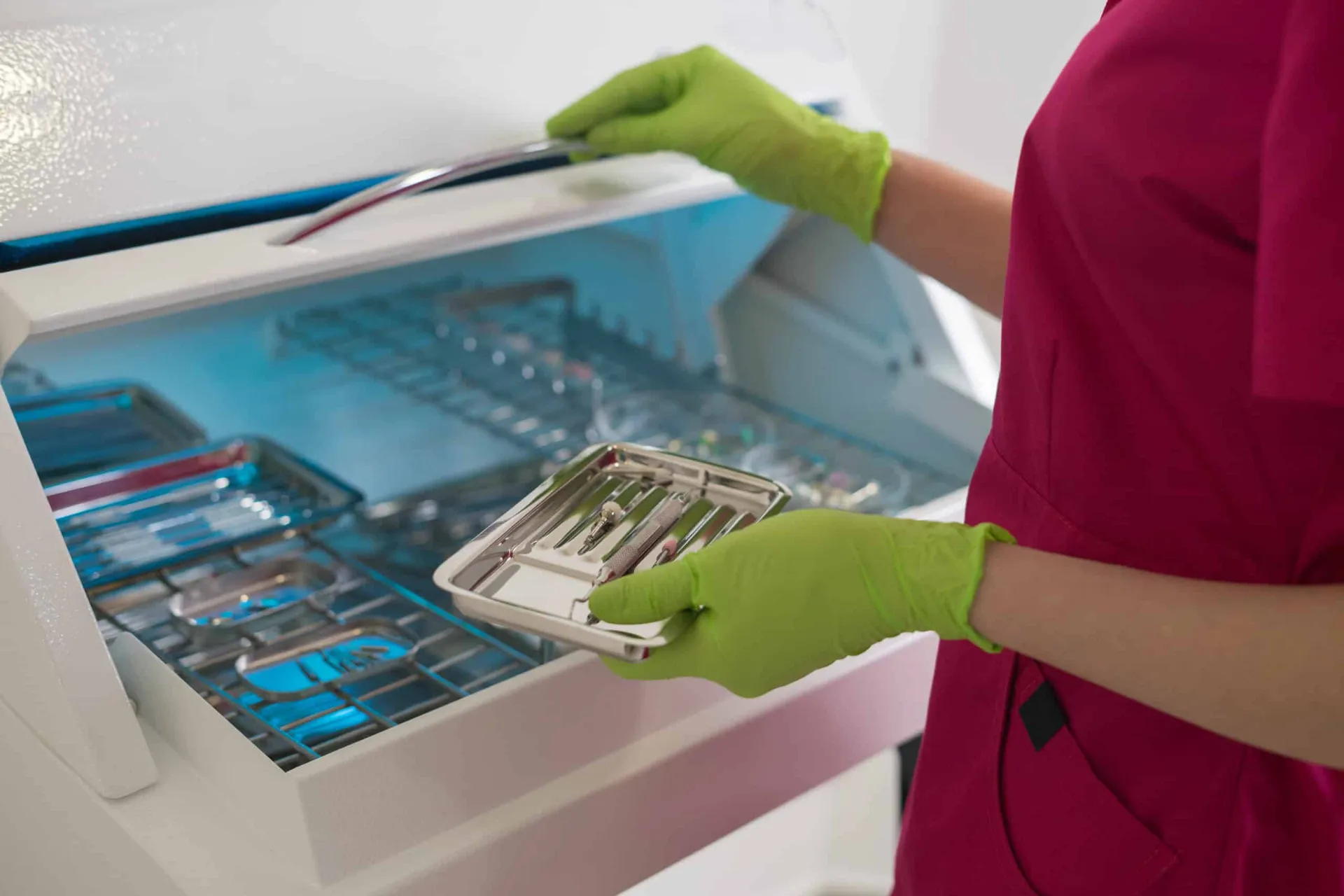
Sterile Processing Technicians are responsible for cleaning, inspecting, assembling, sterilizing, and distributing medical instruments used in surgeries and clinical procedures. Their work directly affects patient safety and infection prevention. While they typically do not interact with patients, their role is critical to every successful operation.
Is Certification Required to Work as a Sterile Processing Technician?
Certification requirements vary by employer and state. Some healthcare facilities require certification, while others allow technicians to work while pursuing it. However, certification significantly improves job prospects and demonstrates professional competence.
Certified technicians are often preferred for full-time positions, advancement opportunities, and higher levels of responsibility.
Sterile processing technician courses near me: How Do I Find Local Options?
Searching for sterile processing technician courses near me is a common first step. Local programs may be offered through vocational schools, community colleges, healthcare systems, or private training providers.
When evaluating nearby options, it’s important to confirm that the curriculum aligns with current U.S. healthcare standards and includes preparation for certification exams. Proximity alone should not outweigh program quality, instructor experience, and job readiness outcomes.
How Long Does Training Usually Take?
Most training programs range from a few months to under a year, depending on format and intensity. Accelerated programs may focus on core competencies, while longer programs often include externships or hands-on components.
The goal is not speed alone, but readiness. Programs that balance theory with practice tend to produce more confident and capable graduates.
Sterile processing technician courses: What Do They Typically Cover?
High-quality sterile processing technician courses include instruction in:
- Infection prevention and microbiology basics
- Decontamination and cleaning techniques
- Instrument identification and assembly
- Sterilization methods and monitoring
- Quality assurance and documentation
- Regulatory standards and compliance
Some programs also include professional development topics such as communication, workplace ethics, and career preparation.
Can I Take Sterile Processing Courses Online?
Many programs offer online or hybrid options. Online courses usually cover theoretical content, while hands-on practice is completed through labs or externships. This format offers flexibility for working adults but still requires discipline and time commitment.
When choosing an online program, ensure it includes practical components and aligns with certification requirements.
What Certification Exams Are Common in the U.S.?
Several nationally recognized certification exams exist for Sterile Processing Technicians. Programs often prepare students for these exams as part of the curriculum. Passing a certification exam validates your knowledge and demonstrates commitment to professional standards.
What Are Employers Looking For After Training?
Employers value graduates who are reliable, detail-oriented, and well-trained in real hospital workflows. Certification, strong references, and practical experience all improve hiring chances. Many facilities prioritize technicians who can integrate quickly into sterile processing departments.
Final Thoughts
Sterile Processing Technician certification and training provide a structured path into a stable healthcare career. By choosing the right course and understanding certification expectations, candidates position themselves for long-term success.
As healthcare systems continue to prioritize safety and compliance, trained and certified technicians remain essential—working behind the scenes, yet playing a vital role in patient care.