

Managing Information Overload: Digital Tools That Actually Help Your Brain

recallify.ai
Digital Tools That Actually Help Your Brain

THE COGNITIVE COST OF CONSTANT INPUT
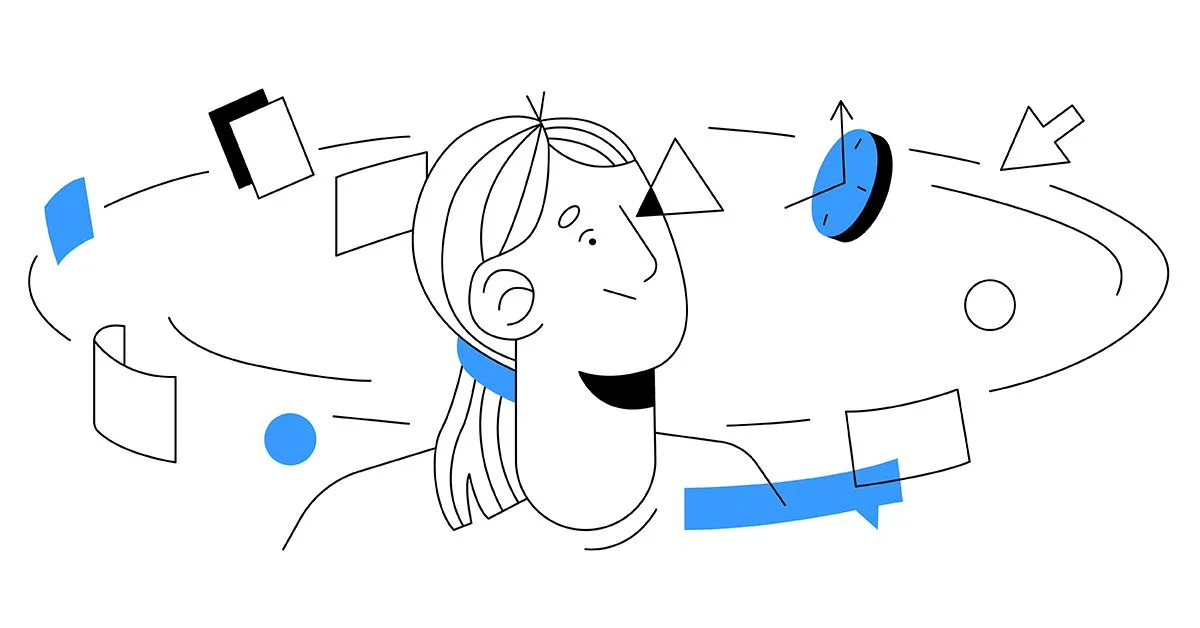
Human working memory can hold roughly four to seven items at once. That's it. Every new notification, every open browser tab, every half-finished task competes for space in that tiny mental workspace. When the workspace overflows, we experience what researchers call cognitive overload: that foggy, overwhelmed feeling where everything feels urgent but nothing gets done. The irony is that many productivity tools make this worse. Complex folder systems demand decisions. Notification-heavy apps interrupt focus. The cognitive cost of managing your tools can exceed the benefit they provide. For people already dealing with attention challenges, fatigue, or memory difficulties, these systems can feel actively hostile.
WORKING WITH YOUR BRAIN, NOT AGAINST IT
The solution isn't to consume less information since that's often not realistic. The solution is to process it smarter, in ways that align with how memory and attention actually work.
Capture, don't memorise. Your brain is better at processing than storing. When you try to hold onto every idea, appointment, or task mentally, you exhaust limited cognitive resources. Externalising information: writing it down, recording it, saving it somewhere searchable frees your mind for actual thinking. The specific tool matters less than the habit.
Search beats folders. Elaborate filing systems feel productive but often create more friction than they solve. Modern search is good enough that you're better off dumping information into a single searchable repository than spending mental energy deciding where things belong. Ask yourself: will I remember which folder I put this in? If the answer is no, don't bother with folders.
Let AI handle the summarising. Long recordings, dense documents, and sprawling meeting notes don't need to stay long. AI summarisation tools can condense hours of content into key points, reducing the cognitive effort required to extract value. This isn't laziness, it is efficiency.
Test yourself, don't just review. If you genuinely need to remember something, passive re-reading is almost useless. Active recall—forcing yourself to retrieve information from memory—strengthens retention far more effectively. Flashcards, self-quizzing, or simply closing your notes and asking "what were the main points?" all work.
Choose gentle systems. Not all reminders are equal. Apps that pile on guilt, badge counts, and urgent notifications add to cognitive load rather than reducing it. The best tools prompt without pressure, adapting to your energy levels rather than demanding constant performance.
TOOLS DESIGNED FOR REAL BRAINS
Most productivity apps are designed for idealised users with unlimited attention and perfect executive function. That's not most of us, especially not when we're tired, stressed, or managing cognitive challenges.
A growing category of tools takes a different approach, designing specifically for how brains actually work. AI-powered memory tools like Recallify, for instance, combine voice recording, automatic transcription, and smart summaries specifically for people who find traditional systems overwhelming. Developed by a clinical neuropsychologist and currently being evaluated in an NIHR-funded research study, it's built around reducing cognitive load rather than adding features. GDPR compliant and designed for everyday use, it represents a shift toward tools that support cognition rather than demanding more of it.
Whether you use a dedicated app or simply get better at voice memos and search, the principle remains: your tools should make thinking easier, not harder.
CLARITY IS A SYSTEM, NOT A TRAIT
Mental clarity isn't something you either have or don't have. It's the result of systems that work with your brain's actual capabilities and limitations. When you stop fighting your cognitive architecture and start designing around it, information overload becomes manageable. The goal isn't to remember everything. It's to build external systems you trust, so your mind is free to do what it does best: think, create, and focus on what matters right now.